

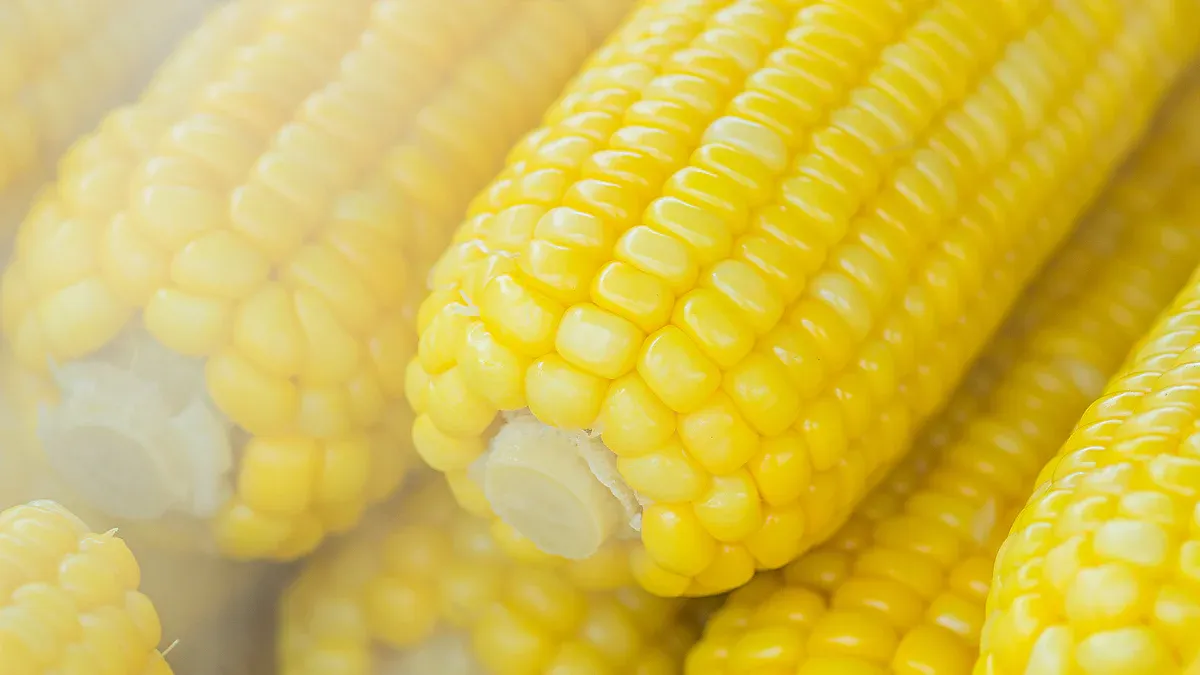
Corn appears everywhere, from dinner plates to industrial products. Many people enjoy sweet corn but often underestimate its nutritional value. This blog explores corn nutrition, its many health benefits, and its versatile uses. Discover sweet facts and essential benefits about this common grain. We aim to provide a balanced, informative perspective on corn.
Key Takeaways
Corn provides important nutrients like fiber, vitamins, and minerals. These help your body work well.
Eating corn can help your digestion and keep your heart healthy. It also gives you energy and supports good eyesight.
Corn has some natural compounds that can block nutrient absorption. However, cooking and other methods can reduce these compounds.
Enjoy corn in many ways, from meals to industrial products. Eat it in moderation as part of a balanced diet.
Understanding Corn Nutrition: Key Facts
Macronutrients and Caloric Content
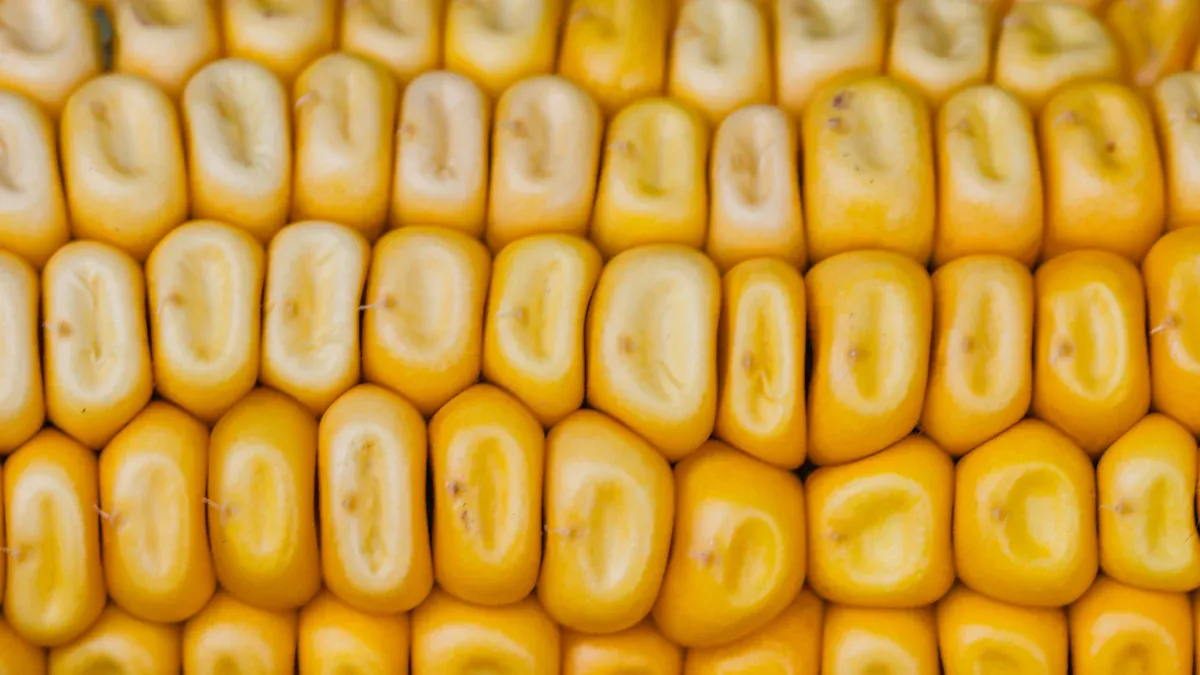
Corn offers important macronutrients. A medium ear of sweet corn provides about 77 to 99 calories. This makes it a moderate energy source. For example, one medium ear of sweet yellow corn contains 77 calories. Another medium-sized ear of corn provides approximately 75 calories. These nutrition facts show corn fits well into a balanced diet. Corn also contains protein. Boiled yellow corn has 3.4 grams of protein per 100 grams. This contributes to daily protein needs.
Assessing the Nutritional Value of Corn
The nutritional value of corn extends beyond just calories and protein. It is a good source of dietary fiber. Fiber is crucial for digestive health. A medium-sized ear of corn contains about 2.4 grams of fiber. This accounts for roughly 7% of the recommended daily value. Adult women in the United States should aim for 25 grams of fiber daily. Adult men need 38 grams. This means whole grain corn helps meet these targets. The fiber in corn includes both soluble and insoluble types. These fibers work together to support gut health. Understanding these nutrition facts helps people make informed food choices.
Vitamins, Minerals, and Antioxidants
Corn is rich in various vitamins and minerals. It provides several B vitamins. These vitamins are essential for energy production and overall well-being.
Vitamin B Type | Concentration Range (µg per 100g) |
|---|---|
B1 (Thiamine) | 107.61 to 2654.54 |
B2 (Riboflavin) | 1.19 to 37.37 |
B3 (Niacinamide) | 19.60 to 213.75 |
B5 (Pantothenic Acid) | 43.47 to 590.86 |
B6 (Pyridoxine) | 138.59 to 1065.11 |
Corn also contains folate, which is Vitamin B9. Folate plays a role in cell growth and development. Other B vitamins present in corn include:
Vitamin B1 (Thiamine)
Vitamin B2 (Riboflavin)
Vitamin B3 (Niacinamide)
Vitamin B5 (Pantothenic Acid)
Vitamin B6 (Pyridoxine)
Beyond vitamins, corn offers important minerals. These include magnesium, phosphorus, and potassium. These minerals support bone health, nerve function, and fluid balance.
Furthermore, corn is a source of beneficial antioxidants. These compounds protect the body’s cells from damage. The primary antioxidants found in corn are:
Polyphenols (including anthocyanins and other flavonoids)
Carotenoids
These antioxidants contribute to the overall corn nutrition profile. They highlight the significant nutritional value of corn. Eating whole grain corn provides these protective compounds. These nutrition facts demonstrate corn’s role as a valuable food.
Exploring the Health Benefits of Corn
Digestive Health Benefits
Corn offers significant digestive health benefits, primarily due to its rich fiber content. Dietary fiber is crucial for a healthy digestive system. It helps prevent constipation and promotes regular bowel movements. Studies show that corn fiber effectively aids digestion. For example, research demonstrated that adding soluble corn fiber to diets improved fecal scores and gut microbiota in animals.
Fiber works in several ways to support digestion. Insoluble fiber particles stimulate the gut. This leads to increased mucous and water secretion, creating larger, softer stools. This process speeds up transit time in the colon. The fiber needs to remain mostly unfermented for this effect to be strong. Another mechanism involves the fiber’s ability to hold water. This helps keep stools soft and prevents dehydration in the large bowel. This water-holding capacity requires the fiber to stay intact throughout the digestive tract.
Treatment | Five-Day Fecal Wet Weight | Daily Fecal Output | Stool Softness |
|---|---|---|---|
Soluble Corn Fiber (20 g/d) | Significantly higher than LFC (P ≤ 0.0007) | Significantly greater than LFC | Softer than LFC |
Polydextrose (20 g/d) | Significantly higher than LFC (P ≤ 0.0007) | Significantly greater than LFC | Softer than SCF and LFC (P = 0.002) |
Low Fiber Control (LFC) | Baseline | Baseline | Baseline |
This table shows that soluble corn fiber significantly increased fecal wet weight and daily fecal output compared to a low fiber control (LFC) diet. It also made stools softer.
Corn consumption also influences the gut microbiome. Research indicates that corn’s microRNAs (miRNAs) and its food matrix affect the diversity of gut bacteria. Corn miRNAs can reduce the number of Firmicutes. This phylum is common in the gut and links to a lower risk of obesity and metabolic syndromes.
The corn matrix itself changes bacteria like Lactobacillus and Akkermansia muciniphila. Processing methods, such as autoclaving, further impact bacteria like Enterobacteriaceae and Ruminococcus. Both purified corn miRNAs and fresh corn decreased total bacteria in the cecum, mainly by changing Firmicutes levels. Lactobacillus increased with both autoclaved and fresh corn. These findings highlight the complex ways corn supports gut health.
Specific Health Benefits of Eating Corn
The health benefits of eating corn extend beyond digestion. Corn provides essential nutrients that support various bodily functions. These nutrients contribute to overall well-being and help prevent chronic diseases. The potential health benefits of corn make it a valuable addition to a balanced diet.
Heart Health and Blood Pressure
Corn plays a role in maintaining heart health and regulating blood pressure. Certain compounds in corn contribute to these benefits. Corn silk extract (CSE) contains many active compounds. These include flavonoids, alkaloids, phenols, saponins, tannins, and phytosterols. CSE and a special phytopeptide (CSBp5) found in corn silk help regulate blood pressure. They do this by stopping Angiotensin-converting enzyme (ACE) activity. ACE inhibition helps relax blood vessels and lower blood pressure. Corn silk may also reduce blood pressure through potassium. Potassium causes the body to excrete more sodium and water, which can lower blood pressure.
Corn gluten meal protein hydrolysate (CGM-H) and corn peptides also show antihypertensive effects. These peptides reduce ACE and renin inhibitory activity. They also affect fatty acid metabolism and sex hormones. These actions further contribute to blood pressure regulation. These findings demonstrate the health benefits of corn for cardiovascular health.
Energy and Satiety for Weight Management
Whole grain corn provides a good source of energy. It contains carbohydrates, which the body converts into glucose for fuel. Sweet corn has a medium to high glycemic index (GI) value, ranging from 60-85. It also has a moderate glycemic load of 15. This means sweet corn can cause a moderate-to-rapid rise in blood sugar levels due to its natural sugar content. The specific GI can change based on the type of corn and how people prepare it.
Corn’s fiber content also contributes to satiety, the feeling of fullness. This feeling helps manage weight by reducing overall calorie intake. The hormone leptin signals to the brain when the body has enough energy. This helps control appetite and calorie burning. High-fructose corn syrup, a corn-derived sweetener, has been linked to leptin resistance. This could potentially disrupt the body’s satiety mechanism. However, whole grain corn, consumed in moderation, can be part of a weight management plan due to its fiber and energy content.
Eye Health and Antioxidant Support
Corn is rich in antioxidants, which are vital for eye health. These compounds protect the body’s cells from damage. Yellow corn is a good source of dietary zeaxanthin. Corn contains several important carotenoids:
Lutein
Zeaxanthin
Alpha-cryptoxanthin
Beta-cryptoxanthin
Beta-carotene
Maize (corn) has a higher carotenoid content compared to other non-corn cereals. Zeaxanthin is the main carotenoid in corn. One cup of yellow corn, frozen and cooked, contains 0.2 mg of Beta-Cryptoxanthin. Egg yolk and maize (corn) have the highest amounts of both lutein and zeaxanthin.
These carotenoids, especially lutein and zeaxanthin, link to a reduced risk of age-related macular degeneration (AMD). AMD is a common eye condition that can cause vision loss. Women under 75 who eat diets rich in lutein and zeaxanthin may have a lower risk of developing AMD.
These plant pigments absorb blue light, prevent free radical damage, and strengthen eye cell membranes. A higher intake of lutein plus zeaxanthin was associated with a lower risk of intermediate-stage AMD in women with stable carotenoid intake over 15 years. Consuming carotenoids, including lutein and zeaxanthin, improves AMD due to their antioxidant power. These ocular carotenoids concentrate in the macula and fovea. They protect against light damage, neutralize harmful oxygen molecules, and reduce the formation of waste products. Increasing daily intake of these carotenoids benefits eye health. These are significant health benefits of corn for vision.
Considerations and Potential Downsides
Antinutrients in Corn
Corn contains natural compounds called antinutrients. These substances can reduce the body’s ability to absorb certain nutrients. Two main antinutrients in corn are phytic acid and oxalates.
Antinutrient | Concentration in Corn |
|---|---|
Phytic acid | 50-74 mg/g |
Oxalates | 35-270 mg/100g |
However, people can reduce these antinutrient levels through various processing methods. These methods include:
Fermentation
Gamma irradiation
Dehulling
Soaking
Sprouting
Cooking
Malting
Fermentation is especially effective. It improves the mineral content of corn by reducing phytate and polyphenols through enzymatic action. Nixtamalization, a traditional processing method, also helps. It can reduce fumonisin B1, a fungal contaminant, by as much as 75%.
Mycotoxin Concerns
Mycotoxins are toxic substances produced by fungi that can grow on corn. These toxins pose serious health risks to animals and humans.
Mycotoxin | Fungi Associated | Health Risks/Symptoms |
|---|---|---|
Aflatoxin | Aspergillus flavus, A. parasiticus | Liver necrosis, liver tumors, reduced growth, depressed immune response, carcinogen |
Fumonisin | Fusarium moniliforme, F. proliferatum | Equine leukoencephalomalacia, porcine pulmonary edema |
Deoxynivalenol (DON) | F. graminearum | Feed refusal, reduced weight gain, diarrhea, vomiting |
Aflatoxin, fumonisin, and deoxynivalenol (DON) are commonly found in corn. Aflatoxins cause liver damage and cancer. Fumonisins lead to liver damage and brain damage in horses. DON affects the digestive system, causing vomiting and reduced weight gain. The FDA recommends maximum levels for fumonisins in corn products for human consumption, typically 2 to 4 parts per million (ppm).
GMO Corn: What to Know
Genetically modified (GMO) corn is a significant part of global agriculture. In 2015, GMO corn covered almost a third of the total global area for corn. The United States was the leading producer. Scientists have conducted many studies on the safety of GMO corn.
Some research suggests potential harm from toxic agents in GM corn, including Bt/VIP proteins and pesticide residues. These studies link GM corn to effects on male fertility, immune changes, and organ toxicity in animals. Other scientists state there is no validated evidence that GMO foods are less healthy or harmful than non-GMO foods. They compare health trends in regions with high GMO consumption to those with low consumption and find no differences in disease patterns. All GM products on the international market undergo safety assessments by national authorities.
Portion Control and Calorie Intake
Corn, especially sweet corn, contains carbohydrates and natural sugars. A medium ear of corn has about 77-90 calories. One cup of canned corn contains about 130-140 calories. Consuming corn in excess can raise blood sugar levels and contribute to weight gain. A Harvard study found that each additional daily serving of corn was linked to a 2-pound weight gain over four years.
Processed corn products, like high-fructose corn syrup, corn starch, and cornmeal, have different effects. These products are often refined, removing key nutrients. They can cause rapid spikes in blood sugar. High-fructose corn syrup links to increased risks of obesity, heart disease, and type 2 diabetes. Whole corn, consumed in moderation, fits into a healthy diet. However, excessive reliance on any single food can lead to nutrient imbalances.
Key Uses and Culinary Versatility

Common Culinary Applications
Corn is a staple food worldwide. People use it in countless dishes. In Africa, people make pap flour, a nutritious breakfast. They also enjoy moi-moi, a corn-based porridge, and various cornmeal recipes. Ghana offers corn flour doughnuts called awiesu.
Caribbean cuisine features cornmeal porridge, coo coo (Caribbean polenta), and Jamaican cornmeal pudding. Haiti has Labouyi Mayi, a Creole corn porridge. Central and South America use corn for tortillas and arepas. Europe enjoys polenta in Italy and mămăligă in Romania. German-speaking countries use cornmeal or corn flour for schnitzel breading. Mexico is famous for corn tortillas, tostadas, and tamales. Masa, a traditional corn flour, forms the base for many Latin American dishes. Huitlacoche, a corn fungus, is a delicacy used as a garnish or filling.
Optimal Cooking Methods
People cook corn in many ways. Roasting corn helps it keep more nutrients than boiling. Water-soluble nutrients can leach into the broth when boiling corn. Steaming is better than boiling for preserving water-soluble vitamins. Both roasted and steamed corn are healthy choices.
Storing Corn for Freshness
Proper storage keeps corn fresh. Store unhusked corn in the refrigerator. Use it within a few days for the best flavor. For longer storage, blanch corn kernels and freeze them. This method helps maintain its sweetness and texture.
Beyond Food: Industrial Uses
Corn has many uses outside of food. It plays a big role in industry.
Industrial Application | Percentage of Total Corn Use |
|---|---|
Fuel Ethanol Production | Nearly 45% |
Total Food, Seed, and Industrial (FSI) Uses | Close to 60% |
Corn is a key ingredient for fuel ethanol. It also produces industrial alcohol. Manufacturers use corn to make starch, glucose, and dextrose. Corn oil is another important product. Sweeteners like high fructose corn syrup also come from corn.
This post explored the many facets of corn nutrition. It highlighted corn’s fiber, vitamins, minerals, and antioxidants. These components offer benefits for digestion, heart health, energy, and vision. Corn serves as a valuable and versatile food source. People can enjoy it in moderation. Incorporate corn into a balanced diet, considering its various forms and preparation methods. Make informed dietary choices to support overall well-being.
FAQ
Is corn good for digestion?
Yes, corn is rich in dietary fiber. Fiber helps prevent constipation. It promotes regular bowel movements. Fiber also supports a healthy gut microbiome. This makes corn beneficial for digestive health.
What vitamins and minerals does corn contain?
Corn provides several B vitamins, including folate (B9), thiamine (B1), and riboflavin (B2). It also offers important minerals like magnesium, phosphorus, and potassium. These nutrients support overall body functions.
Can corn help with eye health?
Yes, corn contains antioxidants like lutein and zeaxanthin. These carotenoids protect the eyes from damage. They may reduce the risk of age-related macular degeneration. Yellow corn is a good source of these beneficial compounds.
Are there any concerns about GMO corn?
Scientists have studied GMO corn extensively. Some research suggests potential effects on animals. However, many scientists find no validated evidence that GMO foods are less healthy. All GM products undergo safety assessments.