

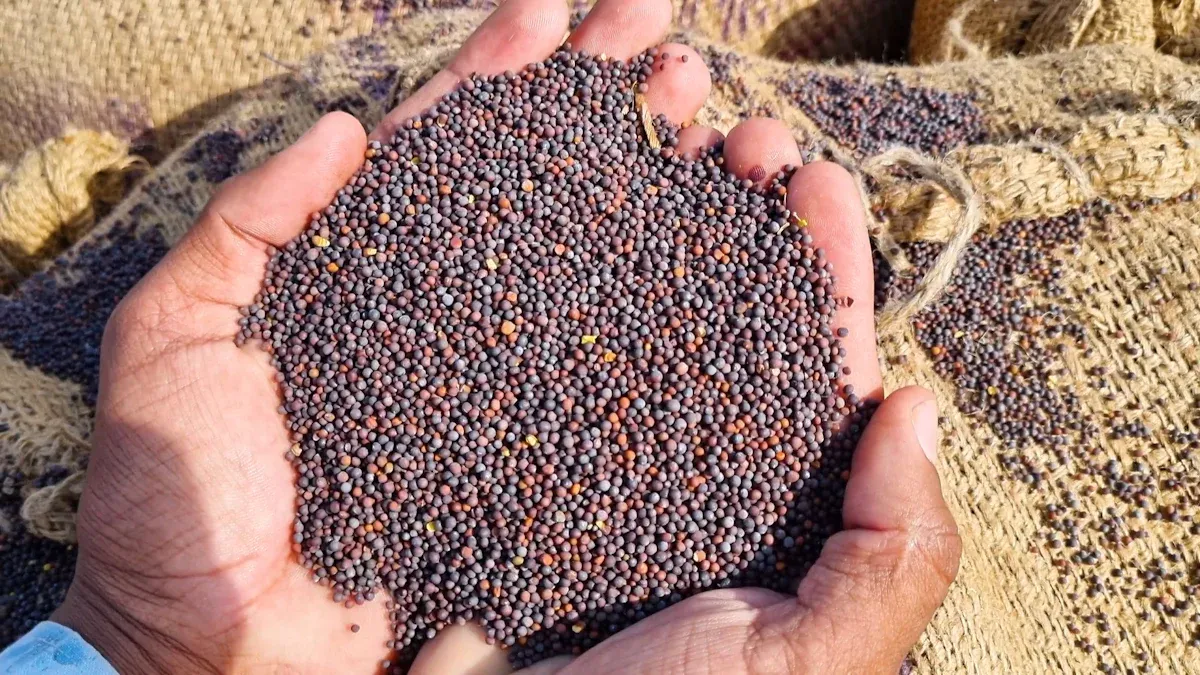
Are mustard seeds good for you? You might find their nutrition impressive. Check out this quick comparison:
Seed Type | Protein (g) | Fat (g) | Ash (g) |
|---|---|---|---|
Mostaza negra (B. nigra) | 38.06 | 20.44 | 1.26 |
Mostaza amarilla (B. alba) | 43.16 | 25.39 | 1.88 |
Wild mustard (Sinapis arvensis) | 2.75 | 1.97 | 0.12 |
You get a lot of protein and healthy fat from mustard seeds. People have used mustard in traditional remedies for centuries. Modern science shows mustard seeds support digestion, help your metabolism, and may lower your risk for heart disease or cancer. Most people enjoy mustard seeds safely in cooking. You can add flavor and health benefits to your meals with mustard.
Key Takeaways
Mustard seeds are nutrient-dense, providing high protein, healthy fats, and essential vitamins and minerals. They are a low-calorie option for adding flavor and nutrition to meals.
Including mustard seeds in your diet can support heart health by lowering bad cholesterol and providing unsaturated fats. They also promote strong bones with their high vitamin K and selenium content.
Mustard seeds offer digestive benefits due to their high fiber content. They can help relieve gas and improve gut health, making them a great addition to meals.
These seeds contain powerful antioxidants that protect your cells from damage and may lower the risk of certain diseases, including cancer.
Most people can safely enjoy mustard seeds, but it’s important to be aware of potential allergies. Start with small amounts to see how your body reacts.
Mustard Seed Nutrition
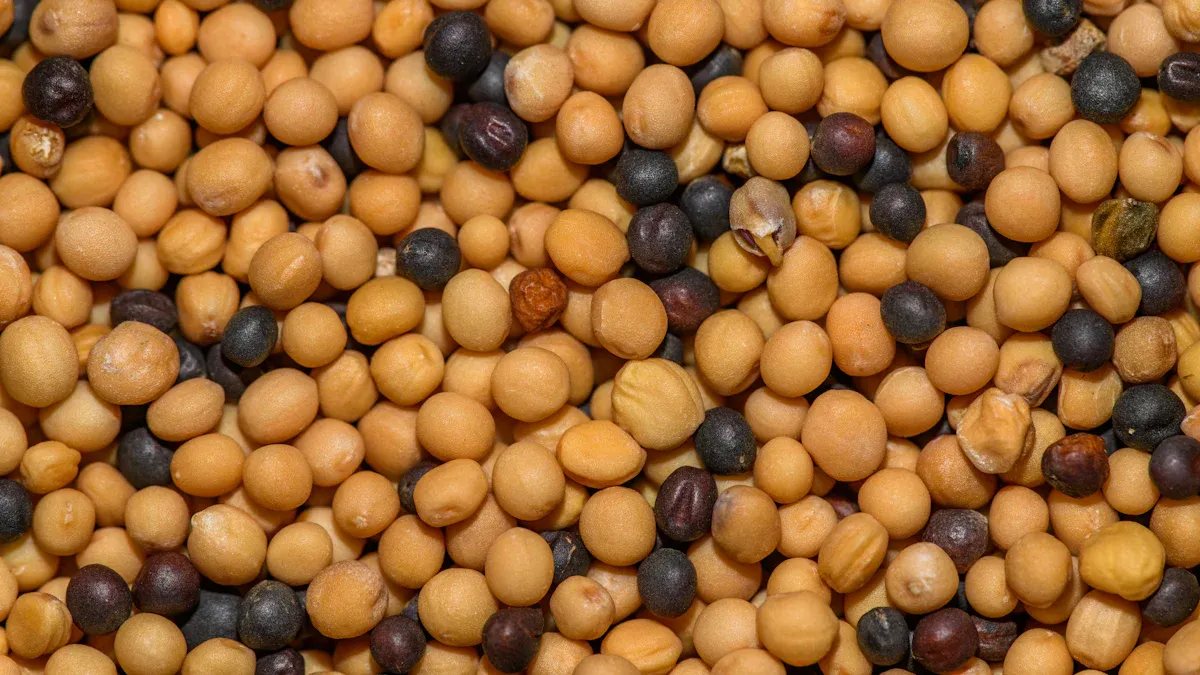
Mustard Seed Nutrition Facts
You might wonder what makes mustard seeds stand out in your kitchen and your diet. The nutritional profile of mustard seeds packs a punch. You get protein, healthy fats, and plenty of minerals from these tiny seeds. Mustard seeds come from the mustard plant, and people use them in many dishes around the world.
Take a look at how mustard seeds compare to other seeds and nuts in calories:
Seed/Nut | Calories (per 100g) |
|---|---|
Hedge Mustard Seeds | 318 |
Brazil Nut | 659 |
Pine Nut | 673 |
You can see that mustard seeds have fewer calories than Brazil nuts or pine nuts. You get a cholesterol-free option when you choose mustard seeds. This makes them a smart pick if you want to add flavor and nutrition without extra calories.
Mustard seed nutrition facts show that these seeds are nutrient-dense. You get a good amount of protein and fat, but not too many calories. The mustard plant gives you seeds that fit well into a balanced diet. You also get dietary fiber, which helps your digestion and keeps you feeling full.
Vitamins & Minerals
Mustard seeds offer a wide range of vitamins and minerals. You get important nutrients that help your body work well. Here’s a table showing some of the vitamins you find in mustard seeds:
Vitamin | Quantity |
|---|---|
Niacin | 0.3mg |
Pantothenic acid | 0.1mg |
Vitamin A IU | 2IU |
Vitamin A | 0.1μg |
Vitamin C | 0.4mg |
Vitamin E | 0.3mg |
Vitamin K | 0.3μg |
Thiamine | 0.1mg |
Riboflavin (B2) | 0mg |
Vitamin B6 | 0mg |
Vitamin B12 | 0μg |
Folate (B9) | 10μg |
Selenium | 13μg |
You get a mix of B vitamins, vitamin C, and vitamin E from mustard seeds. These vitamins help your body turn food into energy and protect your cells.
Mustard seeds also give you minerals that support your health. Here’s a look at the mineral content:
Mineral | Amount | Daily Value % |
|---|---|---|
Sodium | 13.0 mg | 1% |
Potassium | 738.0 mg | 19% |
Calcium | 266.0 mg | 20% |
Zinc | 6.1 mg | 43% |
Iron | 9.2 mg | 51% |
Copper | 0.6 mg | 72% |
Phosphorus | 828.0 mg | 83% |
Magnesium | 370.0 mg | 88% |
Manganese | 2.4 mg | 106% |
Selenium | 208.1 µg | 378% |
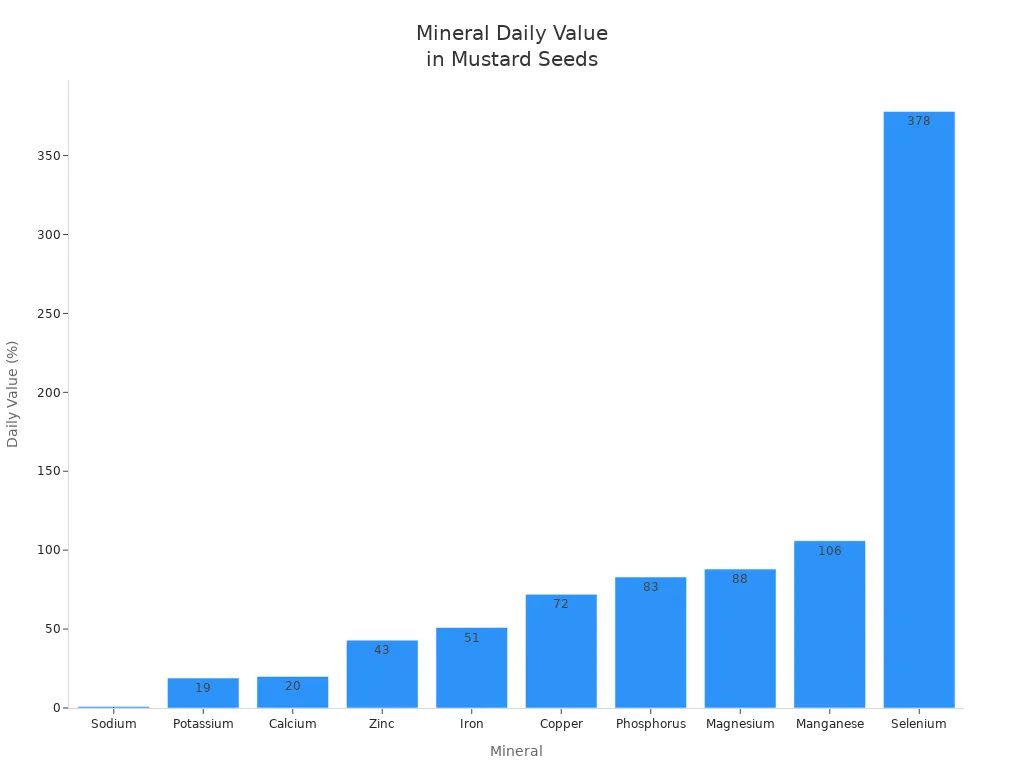
You get high amounts of magnesium, manganese, and selenium from mustard seeds. These minerals help your bones, muscles, and immune system. The nutritional profile of mustard seeds shows that you get a lot of value from a small serving.
Antioxidants
Mustard seeds contain beneficial antioxidants that help protect your body from damage. You get polyphenols, flavonoids, and vitamin C from the mustard plant. These antioxidants fight free radicals and support your health.
Here’s a table showing the antioxidant content in mustard seeds:
Measurement | Value |
|---|---|
Antioxidant Activity (DPPH assay) | 1.72 mgAE/g |
Total Phenol | 10.03 mgGAE/g |
Total Flavonoid | 0.36 mgCE/g |
You get high levels of polyphenols like caffeic acid and quercetin in mustard seeds. These compounds help reduce inflammation and may lower your risk for some diseases. Mustard seeds show strong antioxidant activity, which means they can help your body fight off harmful molecules.
Mustard seeds contain significant amounts of antioxidants, including polyphenols, ascorbate, and flavonoids.
High levels of polyphenols such as caffeic acid (753.455 μg) and quercetin (478.352 μg) are present in defatted mustard seed extract.
The antioxidant capacity of mustard seeds is demonstrated by their ability to eliminate DPPH free radicals, with an IC50 of 2 mg for scavenging activity.
You get more than just flavor when you use mustard seeds in your meals. You add nutrition, vitamins, minerals, and antioxidants from the mustard plant. Mustard seeds are a smart choice for anyone who wants to boost their health and enjoy tasty food.
Health Benefits of Mustard
Mustard seeds offer a wide range of health benefits that you can enjoy by adding them to your meals. People have used mustard for centuries, and modern research continues to explore its potential health benefits. Let’s look at what makes mustard seeds so special for your health.
Mustard Seed Benefits
You might wonder what the main benefits of mustard seeds are. Recent studies show that these tiny seeds pack a powerful punch. Here’s a quick look at what you get when you include mustard seeds in your diet:
Health Benefit | Description |
|---|---|
Antimicrobial Properties | Mustard seeds contain sinigrin, which breaks down into allyl isothiocyanate (AITC), showing strong antimicrobial effects. |
Antioxidant Effects | Phenolic compounds in mustard seeds react with free radicals, helping to protect your cells. |
Anticancer Activity | Sinigrin may help kill cancer cells and lower the risk of DNA damage. |
Enhanced Healing Activity | Sinigrin can support wound healing, especially when combined with certain plant-based oils. |
Lower Blood Sugar Levels | Mustard seed extracts may lower blood sugar, which is helpful for people with diabetes. |
You get a lot of benefits from mustard seeds. They can help fight germs, protect your cells, and even support healing. Many people use mustard seeds to help manage diabetes because they may lower blood sugar. The anticancer properties of mustard seeds are also getting attention from scientists. You can see why the health benefits of mustard are so impressive.
Mustard seeds have a long history in traditional medicine. Different cultures have used them for many reasons:
Culture | Traditional Use |
|---|---|
Ancient Egyptians | Treatment of respiratory issues and digestive health |
Hippocrates’ Greece | Soothing sore muscles and colds |
Ayurvedic Medicine | Balancing doshas and igniting digestive fire |
Traditional Chinese Medicine | Improving circulation and removing phlegm |
You can see that people have trusted the benefits of mustard seeds for thousands of years. Today, you can enjoy these same benefits in your own kitchen.
Heart & Bone Health
Mustard seeds can play a role in supporting your heart and bones. You get healthy fats from mustard oil, which comes from mustard seeds. These fats are mostly unsaturated, which means they are good for your heart. Here’s what you should know:
Mustard seeds have been used in Ayurveda and traditional Chinese medicine, mostly for digestion and breathing, but some sources say they help circulation.
Mustard oil contains a lot of unsaturated fats. These fats can help lower LDL cholesterol, which is the “bad” cholesterol.
The American Heart Association says that monounsaturated fats, like those in mustard oil, may lower your risk of heart disease.
Mustard oil has a fatty acid profile similar to other oils known for heart health, with plenty of polyunsaturated and monounsaturated fats.
You get more than just heart benefits from mustard seeds. They also help your bones stay strong. Here’s how:
Mustard seeds contain selenium, which is important for bone strength.
You get vitamin K from mustard seeds. This vitamin helps your bones stay healthy and lowers your risk of fractures.
If you don’t get enough vitamin K, your bones can become weak. Eating mustard seeds gives you more of this important vitamin.
Research shows that vitamin K can improve bone strength and protect against breaks.
When you add mustard seeds to your meals, you support both your heart and your bones. These are two of the most important health benefits of mustard.
Digestive Support
Mustard seeds are famous for helping with digestion. People in India and other countries have used them for this reason for a long time. Here’s what you get when you use mustard seeds for digestive health:
Brown mustard seeds are popular in Ayurveda for aiding digestion.
Mustard seeds are high in dietary fiber. This fiber helps you have regular bowel movements and keeps your gut healthy.
Many people use mustard seeds as a carminative. This means they help relieve gas and make your stomach feel better.
The spicy compounds in mustard, like allyl isothiocyanate, can boost your saliva and stomach juices. This helps your body break down food.
Mustard seeds contain glucosinolates, which support digestion and help your gut work well.
The antibacterial properties of mustard seeds help keep your gut flora balanced, which is important for gut health.
Modern science is still learning about the full benefits of mustard seeds for digestion. Some studies in labs and animals show that mustard seeds may act as a mild laxative and help your body make more digestive juices. Most of what we know comes from traditional medicine, but you can still enjoy these benefits by adding mustard seeds to your food.
Tip: If you want to support your gut health, try adding a small amount of mustard seeds to your meals. You get fiber, helpful plant compounds, and a tasty boost for your digestion.
Mustard seeds give you many potential health benefits. You get support for your heart, bones, and gut health. You may lower blood sugar levels, which is helpful if you have diabetes. The anticancer and antimicrobial properties of mustard seeds make them a smart choice for anyone who wants to boost their health. When you look at all the benefits of mustard seeds, it’s easy to see why they have been valued for so long.
Safety & Consumption
Side Effects
When you add mustard seeds to your meals, you usually enjoy their flavor and health benefits without any problems. Most people do not experience side effects from mustard seeds. However, you should know what can happen if your body reacts. Some people report:
Skin reactions like rashes, hives, or urticaria
Swelling of lips or tongue
Trouble breathing, chest tightness, or asthma
Stomach issues such as nausea or vomiting
Dizziness
Rarely, anaphylactic shock
You might notice cross-reactions if you have allergies to mugwort pollen, certain fruits, or tree nuts. These side effects are rare, but it helps to stay aware, especially if you try mustard seeds for the first time.
Allergies
Mustard seed allergies do not affect many people. In most countries, the chance of having a mustard allergy is very low. For example:
Studies show that adverse reactions to mustard seeds approach zero in the general population.
In a large European study, only Poland reported a 0.03% rate of probable allergy.
The FAO/WHO does not include mustard on the global priority allergen list because the prevalence is less than 0.1% in most regions.
In France, mustard allergies are more common, making up 1-7% of food allergies. If you have a mustard allergy, you may notice:
Symptom Category | Symptoms |
|---|---|
Gastrointestinal | Abdominal pain, diarrhea, nausea, vomiting, stomach cramps |
Skin | Hives, itching, eczema |
Respiratory | Wheezing, nasal congestion, shortness of breath, repetitive cough |
Cardiovascular | Dizziness, pale or blue skin, lightheadedness, shock |
Anaphylaxis | Difficulty breathing, fast pulse, loss of consciousness |
Oral Allergy Syndrome | Itchy mouth, swelling of lips, mouth, tongue, or throat |
Contact Dermatitis | Eczema after touching mustard |
If you ever feel swelling in your throat or trouble breathing after eating mustard seeds, seek emergency care right away.
Recommended Intake
You might wonder how much mustard seeds you can safely eat. Nutrition experts suggest:
Type of Mustard Seeds | Recommended Daily Intake |
|---|---|
Raw Mustard Seeds | Up to 0.5 teaspoons per day |
Roasted Mustard Seeds | Up to 2 teaspoons spread across meals |
You get the benefits of mustard seeds and mustard oil by using small amounts in your cooking. This amount gives you flavor and health benefits without risk. If you have never tried mustard seeds before, start with a small pinch and see how your body feels.
Tip: You can enjoy the benefits of mustard seeds in many dishes. Try adding them to curries, pickles, or salad dressings for extra taste and health.
Culinary Uses
Types of Mustard Seeds
You might wonder what types of mustard seeds you can use in your kitchen. Each type brings its own flavor and health benefits. Here’s a quick look:
Mustard Seed Type | Flavor Profile | Nutritional Highlights | Health Benefits |
|---|---|---|---|
Yellow Mustard | Mild | Rich in omega-3 fatty acids, fiber, calcium, magnesium | Anti-inflammatory, digestive health, source of selenium |
Brown Mustard | Spicy | High oil content, antioxidants, contains sinigrin | Digestive aid, anti-inflammatory, potential anti-cancer effects |
Black Mustard | Pungent | Highest essential oils, antioxidants, glucosinolates | Anti-inflammatory, antimicrobial, aids digestion |
You get different flavors and benefits from each type. Yellow mustard seeds taste mild and sweet. Brown mustard seeds add a spicy kick. Black mustard seeds give you a strong, sharp flavor. All three types offer unique benefits of mustard seeds for your health.
Mustard Seed Type | Flavor Profile | Culinary Uses |
|---|---|---|
Yellow | Mild and slightly sweet | American mustard condiments, salad dressings |
Brown | Spicy and pungent | Indian cooking, pickling, sauces |
Black | Strong, sharp, slightly bitter | Tempering and seasoning in Indian and Asian cuisines |
Cooking Tips
You can use mustard seeds in many ways. If you want to know how to use mustard seeds, try these methods:
Tempering: Roast whole mustard seeds in warm oil for a few seconds. This brings out their flavor and keeps their health benefits.
Pickling: Add mustard seeds to pickled vegetables for extra taste.
Whole mustard seeds in salads: Sprinkle them for a nutty crunch.
Using mustard seeds in tempering releases essential oils and antioxidants. You keep the benefits of mustard seeds while making your food taste better. Mustard seeds work well in Indian, Asian, and American dishes. You can use mustard seed oil for cooking or add ground mustard to dressings.
Tip: Start with a small amount of whole mustard seeds. You can always add more for extra flavor and health benefits.
Recipes
You can find mustard seeds in many recipes. Here are some popular mustard seed recipes you might enjoy:
Indian Curry: Add whole mustard seeds to hot oil before cooking vegetables.
Pickled Vegetables: Mix mustard seeds with vinegar and spices for crunchy pickles.
Salad Dressing: Whisk ground mustard seeds with oil and vinegar for a tangy dressing.
Sarso da Saag: Use mustard leaves and seeds in this North Indian dish.
Mustard seeds add flavor, fiber, and antioxidants to your recipes. You get the benefits of mustard seeds in every bite. These recipes help you enjoy the culinary uses of mustard seeds while boosting your health.
You get a lot from mustard seeds. The nutritional value of mustard seeds includes protein, antioxidants, and minerals that support your health. You find benefits like better digestion, heart support, and immune boosts. Mustard seeds add flavor and benefits to many dishes. Most people use mustard safely, but you should watch for allergies. Try mustard seeds in curries, pickles, or dressings. You discover new benefits and flavors every time you use mustard in your kitchen.
Nutritional Component | Description |
|---|---|
Protein | High |
Antioxidants | Rich |
Minerals | Abundant |
Mustard seeds give you health and taste in every bite. Why not explore more benefits in your meals?
FAQ
What are mustard seeds used for in cooking?
You can use mustard seeds to add flavor to curries, pickles, and salad dressings. They work well in tempering, which means roasting them in oil to release their aroma and taste.
What nutrients do mustard seeds provide?
Mustard seeds give you protein, fiber, and healthy fats. You also get vitamins like vitamin K and minerals such as magnesium and selenium. These nutrients help your body stay strong and healthy.
What health benefits can you get from mustard seeds?
You may support your heart, bones, and digestion by eating mustard seeds. They contain antioxidants and plant compounds that help fight inflammation and protect your cells.
What types of mustard seeds can you find?
You can find yellow, brown, and black mustard seeds. Each type has a unique flavor. Yellow seeds taste mild, brown seeds are spicy, and black seeds have a strong, sharp taste.
What should you watch out for when eating mustard seeds?
Most people eat mustard seeds safely. If you have allergies, you might notice skin rashes or stomach problems. Try a small amount first if you have never eaten them before.